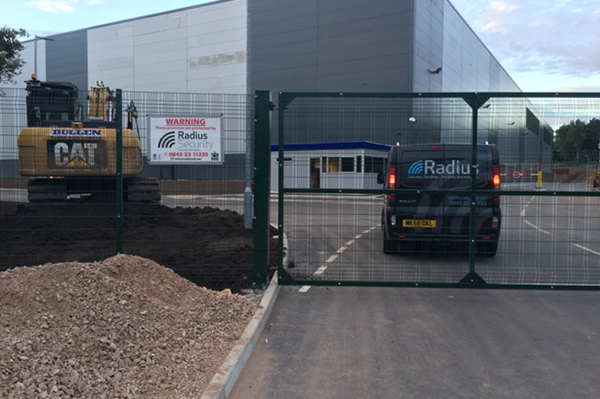

New enforcement powers may help tackle anti-social behaviour, but prevention remains essential for owners of vacant, remote and underused property.
The Crime and Policing Act 2026 introduces stronger measures relating to anti-social behaviour, vehicle seizure, trespass and fly-tipping enforcement.
Government figures show that local authorities recorded approximately 1.26 million fly-tipping incidents during 2024–25. The new measures include statutory enforcement guidance for councils and support for powers such as vehicle seizure, investigation and fixed penalties.
For owners and managers of vacant commercial property, construction land, industrial premises and inactive sites, the figures reinforce an uncomfortable reality: an unattended site can quickly attract further offending.
One incident often leads to another
A damaged gate, abandoned waste or evidence of unauthorised access can create the impression that a site is not being monitored.
Once that perception develops, the premises may experience repeated fly-tipping, theft, vandalism, rough sleeping, illegal gatherings, vehicle nuisance or deliberate fire-setting.
Waste can also conceal hazardous materials, obstruct emergency access and create environmental or public-health risks. At remote or previously industrial locations, those risks may be compounded by unstable ground, contaminated substances, water hazards or dangerous structures.
Early detection limits damage
The cost of clearing dumped waste or repairing damaged premises can quickly exceed the cost of preventative security.
An effective site-protection plan may include:
- Secure gates, fencing and barriers
- Warning and information signage
- Scheduled mobile patrols
- Recorded void-property inspections
- CCTV or temporary monitored camera systems
- Verification of doors, windows and perimeter integrity
- Checks for fire, water ingress and environmental hazards
- Rapid escalation of evidence of trespass or fly-tipping
- Accurate photographic and time-stamped reporting
- Coordination with landowners, councils and the police
The purpose is not only to detect intruders. Regular inspections demonstrate that the site remains actively managed.
Officers must also be protected
Remote sites can expose security personnel to poor lighting, uneven ground, hazardous waste, aggressive trespassers and weak communication coverage.
Every deployment requires a suitable risk assessment, reliable welfare arrangements and clear instructions about when an officer should withdraw and request assistance.
No lone worker should be expected to confront a group, enter an unsafe structure or handle suspicious waste.
Prevention is a shared responsibility
Stronger enforcement powers are valuable, but they operate most effectively when owners preserve evidence and report incidents promptly.
Vehicle details, CCTV images, dates, access routes and patterns of activity may help authorities connect several incidents.
Radius Security supports a prevention-led approach that combines physical protection, monitoring, inspection and evidence gathering.
Vacant does not mean risk-free. The longer a site appears neglected, the more difficult and expensive it can become to regain control.
Active management sends a clear message: this property is monitored, maintained and protected. Get a free quote for vacant site protection.