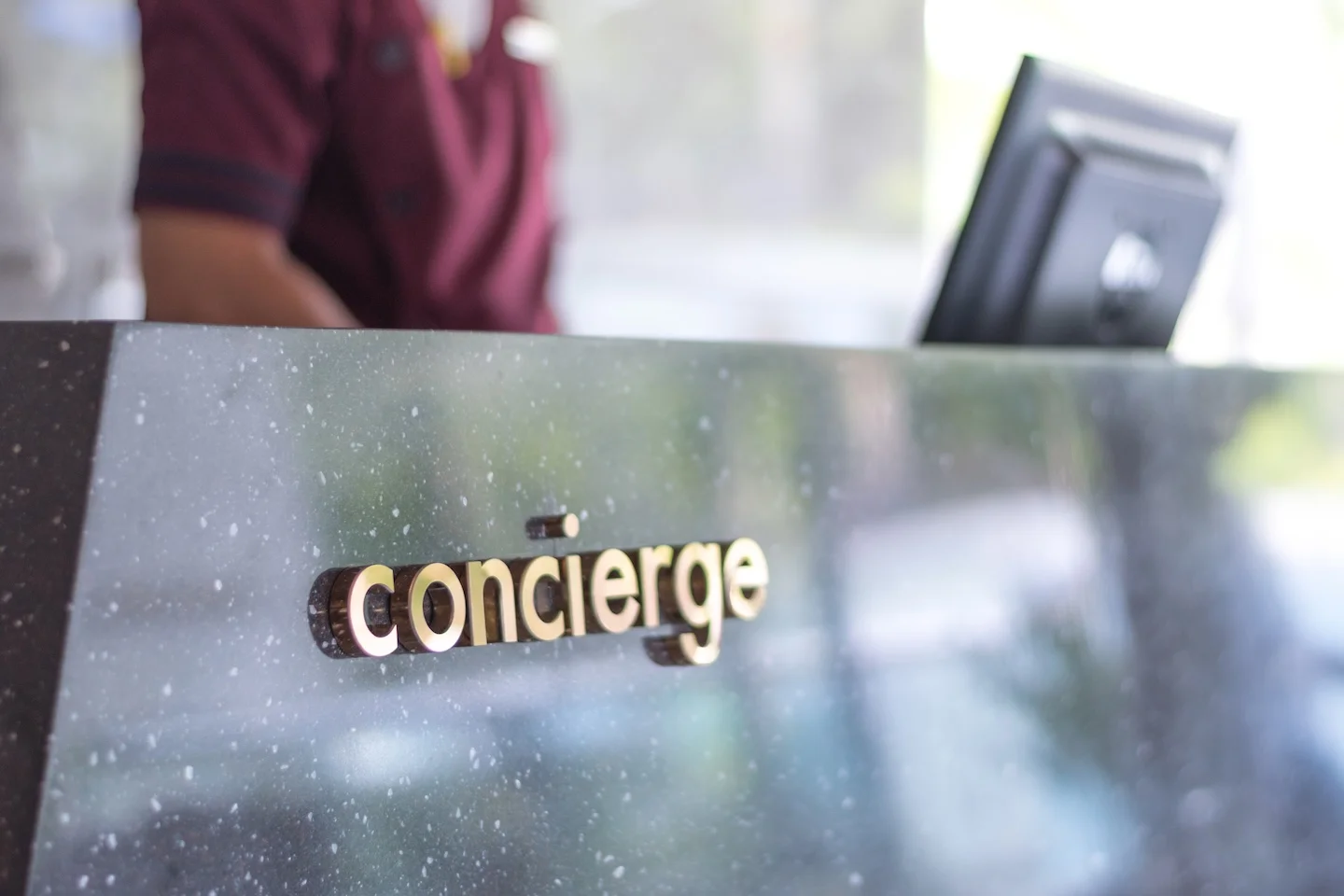
A night porter is a trained professional who provides a combination of security, access control, and support services during overnight hours. Traditionally associated with hotels, the role has evolved significantly — today, night porters are used across care facilities, supported housing schemes, residential apartment buildings, and commercial properties that require a human presence after hours.
This guide explains what a night porter does, how the role differs from a standard night security guard, and the types of premises that benefit from a professional night porter service.
What Does a Night Porter Do?
The specific duties of a night porter depend on the type of premises, but they typically cover a combination of the following:
- Access control and door management: Controlling who enters and exits the building during overnight hours, verifying identity, and maintaining a log of all entries and exits.
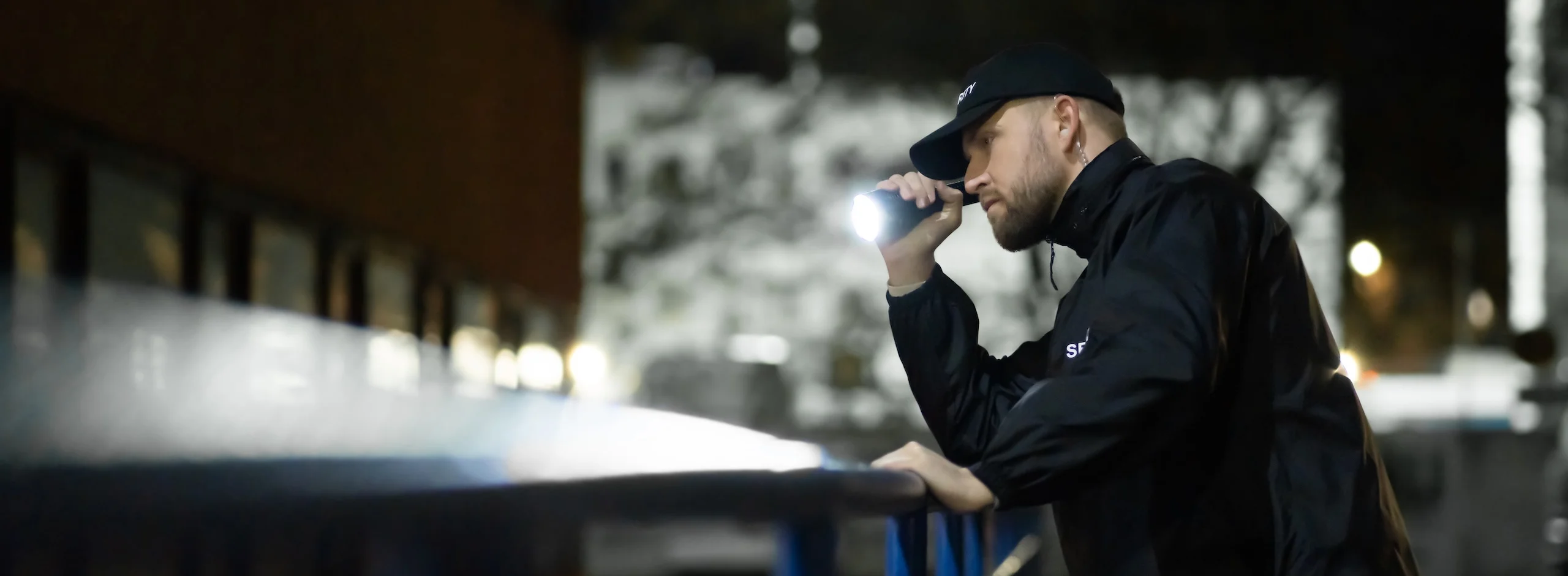
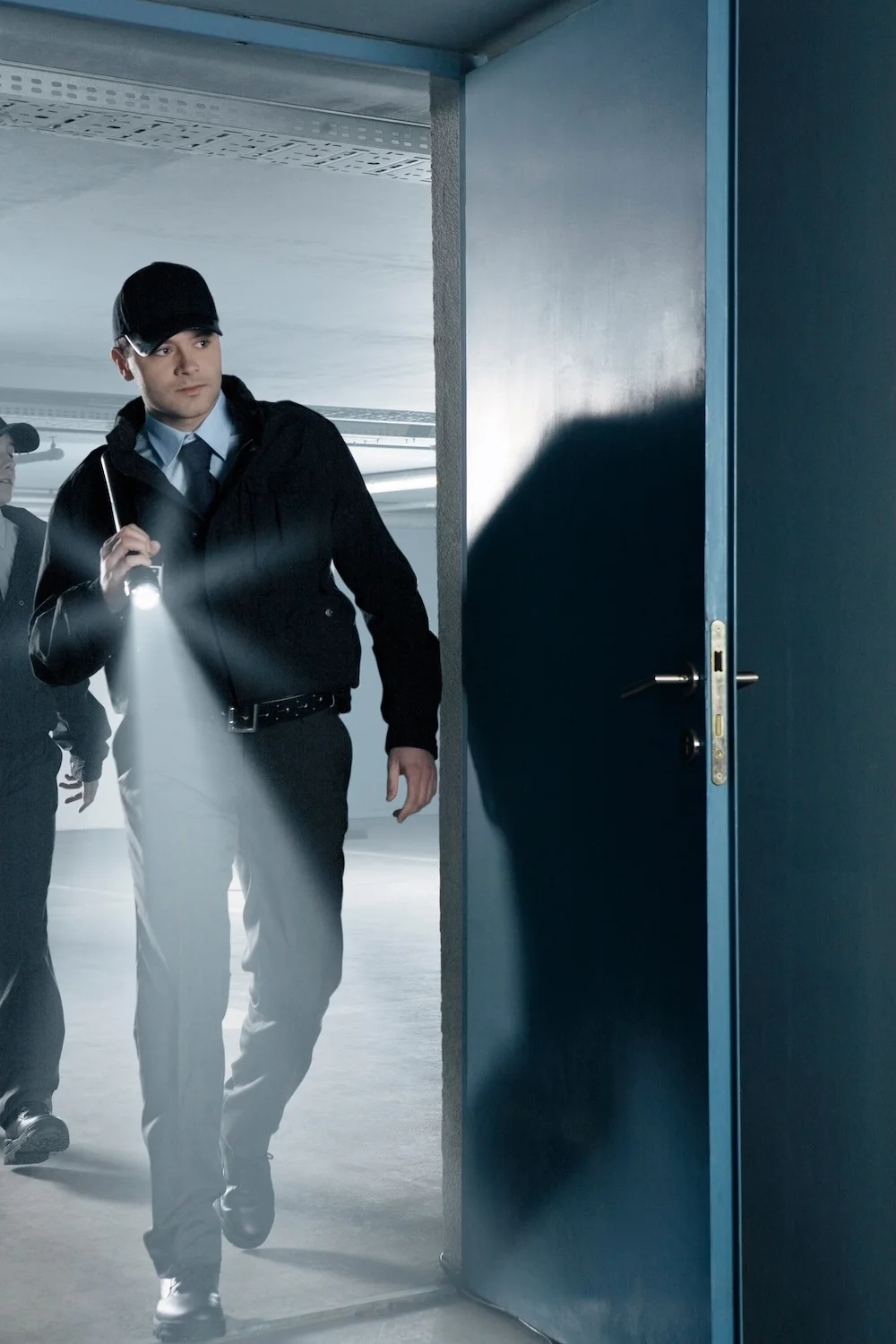
- Security patrols: Walking the building — corridors, communal areas, car parks, and perimeters — at regular intervals to identify any security or safety concerns.
- Resident and guest support: Responding to requests from residents, guests, or staff during the night — providing assistance with queries, lockouts, deliveries, or emergencies.
- Emergency response: Acting as the first responder in the event of a fire alarm, medical emergency, or security incident during the hours they are on duty.
- Reporting and handover: Maintaining a detailed log of the night’s activity and providing a clear handover briefing to the morning shift.
Night Porter vs Night Security Guard: What Is the Difference?
A night security guard focuses on deterrence, access control, and responding to security incidents. The role is functional and security-led.
A night porter carries out those same security functions but with an additional pastoral or service element — particularly in residential and care settings. A night porter may check on residents, assist staff, manage building access across multiple zones, and act as a point of contact for anyone in the building overnight.
The distinction is most significant in care settings and residential buildings, where the people on site overnight may need support as well as protection. In these environments, a night porter’s role genuinely bridges security and welfare.
Which Buildings Use Night Porter Services?
Care Facilities and Supported Housing
Night porter services are widely used in care homes, supported living schemes, and multiple-needs housing. In these settings, the night porter provides a reassuring presence for residents, manages access for night staff and carers, and acts as the immediate point of contact for any out-of-hours incident.
Radius Security’s night porters working in care settings are selected and trained specifically for this environment — with an understanding of vulnerability, safeguarding, and the pastoral responsibilities of the role.
Hotels and Serviced Accommodation
The traditional home of the night porter, hotels use the role to manage late arrivals and early departures, handle overnight guest requests, monitor communal areas, and ensure that the building is secure during the small hours. For smaller hotels and boutique properties without a 24/7 front desk, a professional night porter provides all-night coverage without a full reception team.
Residential Apartment Buildings
High-rise and multi-occupancy residential buildings benefit from a night porter presence to manage resident access, receive late deliveries, respond to emergencies, and provide a point of contact for residents who need assistance overnight. This is particularly valued in larger developments where residents expect a professional building management service around the clock.
Commercial and Mixed-Use Properties
Some commercial properties — particularly those with extended-hours tenants, late-night events, or complex access requirements — use night porters to manage the building during non-standard hours. Mixed-use developments with both residential and commercial elements often benefit from dedicated overnight coverage that understands both use types.
What Makes a Professional Night Porter Service?
When choosing a provider for night porter services, the right questions to ask are:
- Does every officer hold a valid SIA licence? Night porters carrying out licensable security activities — including controlling access — must be SIA-licensed. Confirm this before any deployment.
- Is the provider experienced in your setting? Night porter work in a care facility is materially different from a hotel. Ask about the provider’s experience in your specific type of premises and whether their selection and training process reflects that.
- How are incidents handled and reported? A professional night porter service includes a detailed incident log and a clear handover process at the end of every shift. Ask to see an example report before signing.
- What happens in an emergency? The night porter is often the only qualified staff member in the building during an incident. Confirm that your provider’s officers are trained in first aid and emergency response procedures appropriate to your setting.
Night Porter Services Across the North West
Radius Security provides professional night porter services for care facilities, supported housing schemes, residential buildings, and commercial properties across Greater Manchester, Wigan, Warrington, and the wider North West. All our officers hold current SIA licences, and we select and brief officers based on the specific environment and responsibilities of each site.
Frequently Asked Questions
Yes, if the role involves licensable security activities — which most night porter positions do, including controlling access to premises and conducting security patrols. Any officer carrying out these activities must hold a valid SIA Security Guarding licence. Radius Security confirms all officers’ SIA licence status before deployment.
Both roles involve overnight work in residential or care settings, and both combine a pastoral support function with a security awareness role. The key distinction is that care wardens have a more explicitly welfare-focused brief — they are trained to provide direct support to vulnerable residents, including pastoral check-ins and personal assistance. Night porters typically focus more on building access, security, and general resident support. In practice, the two roles overlap significantly in care and supported housing settings. Radius Security provides both, and we can advise on which is more appropriate for your specific setting.
Night porters in care settings typically work within a staffed building — they are not a substitute for care staff, but a complement to the overnight team. The specific staffing requirements for your setting will depend on your regulatory obligations and the needs of your residents. Radius Security works with care facility managers to design an appropriate deployment that fits within the wider overnight staffing structure.
Pricing depends on the hours of cover required, the type of premises, and whether specialist training or experience is needed for your setting. Radius Security provides free, tailored quotes. Contact us to discuss your requirements.