
Radius Security is calling for a balanced approach to zero-hours contract reform—one that tackles exploitation while preserving the flexibility valued by responsible employers and workers alike.
As the Government implements reforms to zero-hours and low-hours contracts under the Employment Rights Act 2025, there is a real risk of serious unintended consequences for hospitality, security, and the wider night-time economy. While we fully support fair treatment, clear communication, and proper worker protection, genuinely flexible contracts—when used transparently and responsibly—should not automatically be treated as unfair.
Here is why a nuanced approach to the upcoming 2027 regulations is essential for public safety and sector sustainability.
Flexibility is the Backbone of the Night-Time Economy
Hospitality and security do not operate within predictable nine-to-five working patterns.
Staffing requirements fluctuate constantly based on customer demand, seasonal trading, sporting fixtures, festivals, university terms, and major events. Even unpredictable elements like poor weather, transport disruptions, or last-minute changes to licensed hours dictate how many people are needed on the ground.
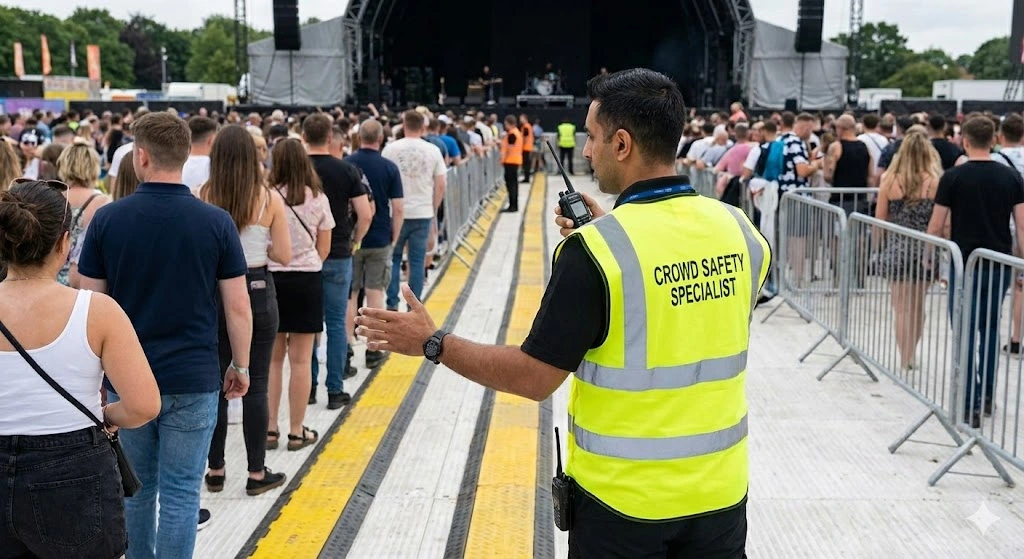
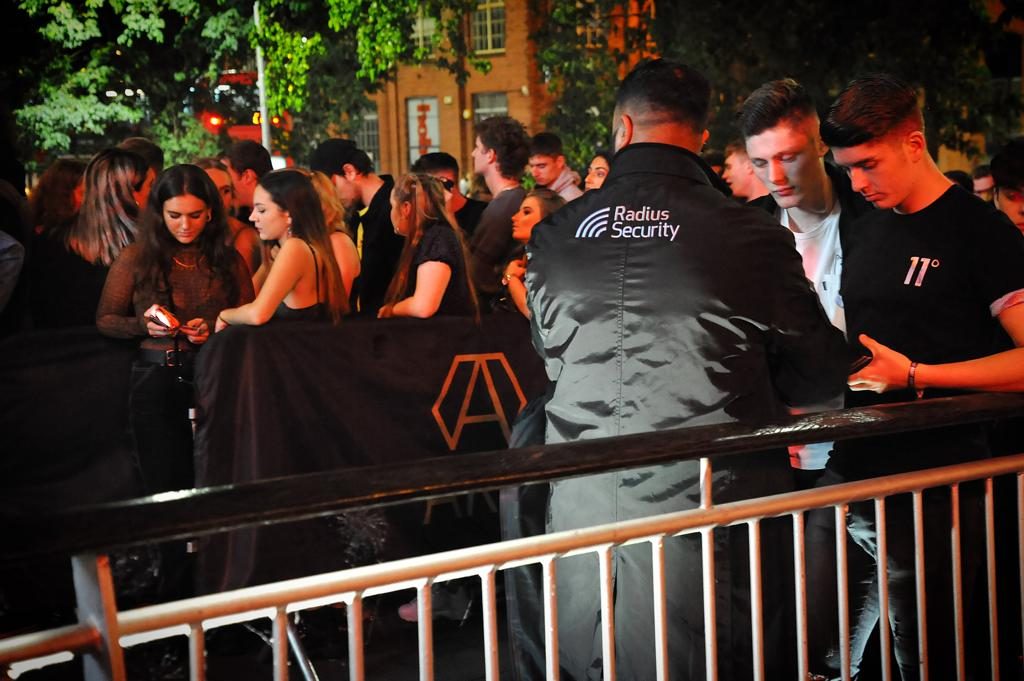
For security providers, staffing is directly connected to public safety. Venues may require additional licensed personnel at a moment’s notice when attendance spikes or risks change.
Restricting the ability to respond to these circumstances leaves venues with a dangerous choice: carry unnecessary staffing costs during quiet periods, or risk being understaffed when demand and risks increase. Neither outcome supports a safe, sustainable night-time economy.
Why Many Workers Actively Choose Flexible Arrangements
Zero-hours contracts are not appropriate for every role. However, it is vital to recognize that many people actively choose flexible employment. It allows them to work around:
-
University and college commitments
-
Caring responsibilities and family life
-
Other primary employment
-
Training and professional development
-
Personal health or lifestyle requirements
-
Seasonal availability
Within the security and events industries, many licensed professionals choose exactly when and where they are available to work. A well-managed flexible contract provides genuine choice. The answer to misuse is effective enforcement against employers who behave unfairly—not a system that removes legitimate flexibility from everyone.
Distinguishing Responsible Employers from Exploitative Ones
At Radius Security, we believe in the crucial distinction between one-sided flexibility and mutually beneficial flexibility. Our standards dictate that workers receive accurate information, fair pay, and maximum notice for shifts. Crucially, they should never face punishment for declining work they were never contracted to accept.
While a guaranteed-hours offer makes sense for workers with established, regular patterns, it is far less appropriate for work linked to one-off events, seasonal peaks, or highly variable temporary venue requirements. The upcoming regulations must recognize this difference.
Mounting Pressures on the Hospitality Sector
Hospitality businesses are already absorbing substantial increases in energy, supply, and regulatory costs. Furthermore, the April 2025 changes heavily impacted employment costs, increasing the main rate of employer National Insurance contributions from 13.8% to 15% and reducing the earnings threshold from £9,100 to £5,000.
These pressures dictate recruitment decisions, opening hours, and the affordability of appropriate security provision. Adding a rigid, administratively complex guaranteed-hours system could force businesses to reduce recruitment, limit shifts, or operate with fewer people. That is a poor result for employers, workers, and public safety.
Our Call for a Balanced Approach
Radius Security urges the Government to ensure that the regulations supporting the Employment Rights Act achieve the following:
-
Distinguish between exploitative practices and legitimate operational flexibility.
-
Preserve genuinely voluntary flexible-working arrangements.
-
Recognise seasonal, event-led, and demand-led employment models.
-
Avoid penalising workers who actively prefer flexible contracts.
-
Provide clear, workable rules for security and hospitality employers.
-
Protect the ability of venues to scale up security instantly when risks or attendance levels change.
-
Consider the cumulative effect of employment costs alongside new regulations.
Consultation with employers, workers, security providers, venue operators, and night-time economy representatives is absolutely essential before the 2027 rollout.
Protecting What Matters
Hospitality is one of the UK’s largest employers, making an enormous contribution to local economies and communities. Its success supports thousands of jobs in security, cleaning, transport, and entertainment.
Radius Security believes that good employment and operational flexibility can—and must—coexist. We will continue to champion fair employment and high professional standards, while speaking up when proposed measures risk making it harder to keep venues and the public safe. Employment policy should protect people while reflecting the reality of the industries it regulates.
That is how we protect jobs, support responsible businesses, and keep the night-time economy safe.
Need to discuss how upcoming regulatory changes might impact your venue’s security operations? Contact the team at Radius Security today.